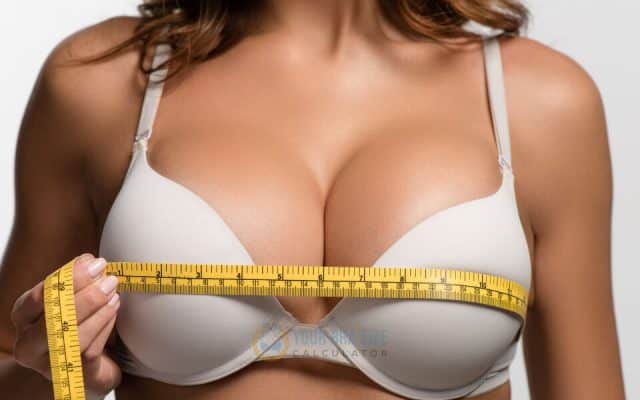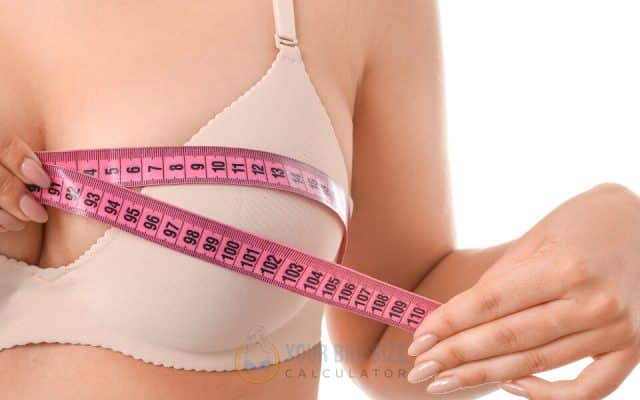
The Benefits of Wearing the Right Bra Size
Most women can point to the moment their bra stopped working for them. A strap digs a groove into the shoulder by noon. A band creeps up the back every time an arm reaches overhead. A cup gaps at the top or spills at the sides no matter how it’s adjusted. None of that is something you have to live with, and none of it means your body is the problem. It almost always means the size on the label stopped matching the body wearing it, and fixing that one variable changes more than most people expect.
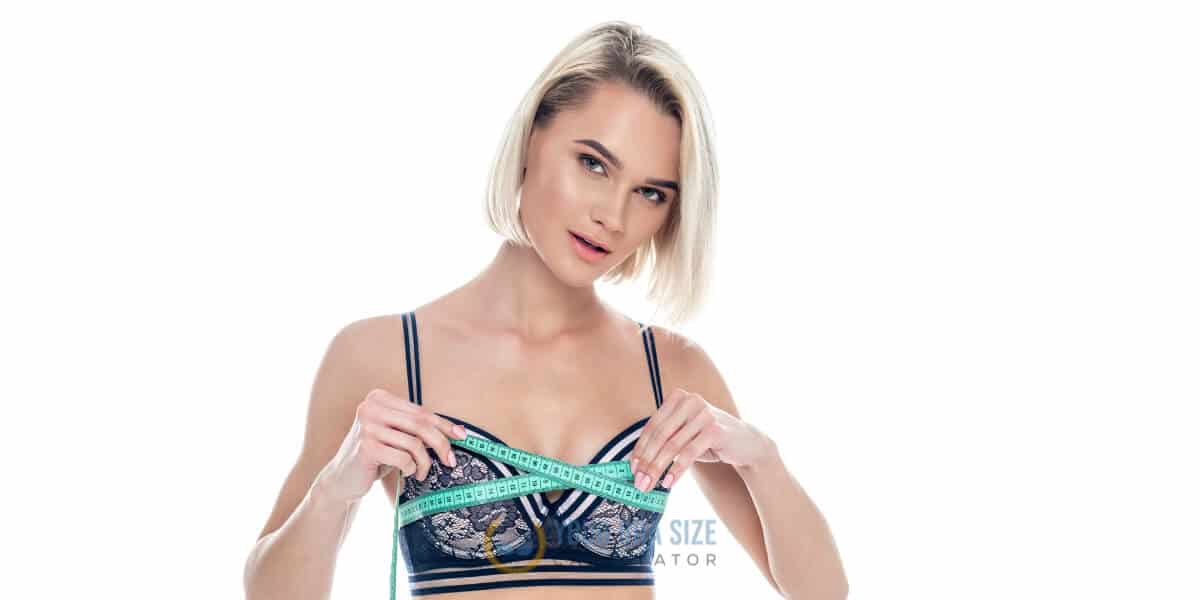
Key Takeaways
- The right bra size distributes weight evenly across the band instead of the shoulder straps, which is why fit changes posture and shoulder comfort more than strap padding ever will.
- Getting sized correctly is less about a single “true” number and more about the relationship between band and cup, since both shift as your body does.
- A too-small band pushes tissue toward the armpit and back, while a too-large band lets the bra ride up and lose support, so the fix is rarely “just go up a size.”
- Peer-reviewed research on bra fit consistently finds that most women are wearing a size that doesn’t match their actual measurements, even when they believe they’ve been fitted correctly.
- Correct fit affects things beyond comfort too, such as how clothing sits, how you move during exercise, and how self-conscious you feel about your shape.
- Fit isn’t permanent. Weight change, pregnancy, age, and even where you are in your cycle can shift your size, so rechecking periodically matters more than finding one perfect bra forever.
Why Is It Important to Wear the Right Bra Size?
Wearing the right bra size matters because an ill-fitting bra changes how weight moves across your body all day, which reaches well beyond how the garment looks under clothing. A band that’s too loose forces your shoulders to carry weight the band was designed to hold, and a cup that’s too small compresses tissue instead of containing it. Both create the kind of low-grade discomfort that’s easy to blame on “bras in general” rather than on the specific size you’re wearing.
The right bra size also affects things that have nothing to do with your chest directly, including posture, how your clothes drape, and how much you think about your bra during the day. A correct band-and-cup proportion, the relationship between how snug the band sits and how much volume the cup holds, is what determines whether a bra disappears under your shirt or announces itself every time you move. Sister sizing, where the same cup volume exists across a range of band-and-cup combinations, is part of why so many women land on the wrong number: two bras with different size labels can hold the same volume, so the “right” size is really a matched pair of measurements, not one fixed digit.
A too-tight band pushes tissue toward the armpit and back instead of holding it against the chest wall, which is the opposite of what a band is supposed to do.
What Happens When You Wear the Wrong Size?
Wearing the wrong bra size shows up as specific, recognizable problems rather than one vague sense of discomfort. A band that’s too big rides up in the back and lets the cups collapse forward, so support disappears right when you need it most, like reaching overhead or walking briskly. A band that’s too small does the opposite: it digs in, creates a visible line through clothing, and pushes breast tissue up and out rather than holding it in place.
Cup size causes its own set of problems, and they run in both directions. A cup that’s too small produces spillage at the top or sides, sometimes called quad boob, where tissue bulges over and beside the cup edge because there isn’t enough room to contain it. A cup that’s too large gaps at the top, wrinkles in the fabric, or leaves the wire sitting on tissue instead of around it. None of these are cosmetic quirks. They’re mechanical mismatches between the garment and the body, and they’re fixable once you know which measurement is actually off.
A 2008 study published in Chiropractic & Osteopathy examined 30 young women and found that 80 percent were wearing an incorrectly sized bra, with 70 percent in a band-and-cup combination too small and 10 percent in one too large, according to researchers Katherine Wood, Melainie Cameron, and Kylie Fitzgerald (Wood et al., 2008).
How Does a Properly Fitted Bra Change Your Posture?
A properly fitted bra changes posture by moving breast weight off your shoulders and onto your ribcage, where a wider band and your own skeletal structure can actually support it. Shoulder straps were never designed to carry the majority of that load. When the band is doing its job, the straps mostly keep the cups in position, and you stop compensating with rounded shoulders or a forward-leaning stance to relieve strap pressure.
That shift is subtle day to day but adds up. Standing straighter without straps digging in also changes how your clothes sit, since a fitted bra creates a smoother line under blouses, dresses, and fitted tops instead of the ridges and gaps a wrong-sized bra leaves behind. A wider, snugger band and correctly sized cups work together here, which is part of why sizing is never just about the cup letter on its own.
Can the Right Bra Size Ease Back and Shoulder Discomfort?
The right bra size can ease specific mechanical sources of shoulder and upper-back discomfort, such as strap grooves and band-related shoulder strain, though the relationship between bra fit and general back pain is less clear-cut than it’s often made out to be. Straps carrying too much weight leave visible indentations and soreness at the shoulder, and that particular discomfort responds directly to correcting the band and redistributing weight away from the straps.
The research itself doesn’t support promising more than fit alone can deliver. In the Wood et al. study mentioned above, bra fit and reported thoracic pain showed almost no statistical relationship in that sample, which suggests back pain has multiple contributing causes beyond bra size alone, including posture habits, muscle strength, and activity level. If pain is persistent, sharp, or new, that’s a conversation for your doctor or a certified fitter rather than something to self-diagnose from an article. What correct fit reliably does is remove one identifiable source of strain, the strap-and-band mismatch, so it’s a reasonable place to start even though it isn’t a guaranteed fix for every kind of discomfort.
How Does the Right Bra Size Affect the Way Your Clothes Fit?
The right bra size changes how clothing fits because it sets the actual shape and position your outfit is built around. A gaping cup or a band riding up creates visible lines, bulges, or asymmetry under fitted tops that no amount of outfit adjustment corrects, since the problem sits underneath the fabric, not in the fabric itself. Once the band sits level and the cup fully contains your shape without gapping or spilling, clothing drapes the way it was designed to.
This matters for everyday clothing every bit as much as it does for anything dressier. A t-shirt that used to pull strangely across the chest, a button-down that gaped between buttons, or a dress that never sat right at the bust are often bra problems being misread as clothing problems. Getting the bra size calculator result right first, before assuming a garment doesn’t suit you, saves a lot of wasted returns and altered clothing.
What Does the Right Bra Size Do for Confidence?
The right bra size affects confidence because it removes a source of physical self-consciousness that has less to do with how you actually look and more to do with how aware you are of your own body during the day. Constantly adjusting straps, tugging a riding-up band, or worrying about visible gaping pulls attention inward in a way that’s exhausting even when no one else notices it. When the fit disappears, that mental bandwidth goes back to whatever you were actually doing.
This isn’t about a bra changing your appearance dramatically, and it doesn’t need to be framed that way to matter. It’s about the difference between a garment you forget you’re wearing and one you’re managing all day. For first-time buyers and teens especially, that difference can shape whether bras feel like a hassle or just another piece of clothing that works, which is why getting fit right early tends to set the tone for how someone feels about the whole process later.
The goal isn’t a bra you notice. It’s one you forget about by nine in the morning.
How Do You Know If You’re in the Right Size?
You know you’re in the right size when the band sits level and snug on the loosest hook, the center gore lies flat against your sternum, and the cups fully contain your breast tissue without gapping, wrinkling, or spilling. The band should feel firm without digging in, and it should be doing most of the work, since a bra that only feels supportive when the straps are pulled tight is signaling a band problem, not a strap problem.
Band-and-cup proportion refers to the relationship between how snugly a bra’s band sits against your ribcage and how much volume its cups are built to hold. Because the two numbers move together, sizing isn’t just “34” or “C” in isolation, it’s a matched pair, and the same cup volume can exist across several band-and-cup combinations through what the industry calls sister sizing.
Traditional at-home measuring, the method of adding a fixed number of inches to your underbust measurement to estimate band size, has a documented accuracy problem. Research on professional bra fitting criteria found that this traditional approach significantly overestimated band size and underestimated cup size compared to best-fit measurements, according to researchers J. White and J. Scurr (White & Scurr, 2012, published in Ergonomics). If you’ve been sized with that method and something still feels off, that’s a reasonable next thing to question, and running your own numbers through a bra size calculator or reading through how to tell if your bra fits correctly is a faster way to catch the mismatch than guessing again.
Comparing traditional at-home sizing against professional fitting criteria, 76 percent of participants needed a smaller band and 84 percent needed a larger cup than the traditional method predicted, according to a 2012 study by J. White and J. Scurr published in the journal Ergonomics.
What Are the Clearest Signs Your Fit Has Changed, and What Do You Get Back by Fixing Each One?
Each common fit complaint traces back to a specific measurement being off, and each one has a specific payoff once it’s corrected, which is easier to see side by side than described in isolation.
| Sign of the Wrong Fit | What’s Actually Happening | What Changes Once It’s Corrected |
| Band rides up in the back | Band is too loose to support its own weight, so it slides up and lets the cups pull forward | Band sits level and stays put; straps go back to positioning only |
| Straps dig in or leave marks | Band isn’t carrying its share of the load, so straps take on weight they weren’t built for | Shoulder pressure drops and the grooves stop showing up by end of day |
| Cups gap at the top or sides | Cup volume is larger than your tissue needs | Fabric lies flat and the wire follows your natural shape instead of standing away from it |
| Spillage over the top or sides, sometimes called quad boob | Cup volume is smaller than your tissue needs | Tissue stays fully contained with no bulging at the edges |
| Center gore doesn’t sit flat against your sternum | Usually a cup that’s too small, forcing the wire to bridge over tissue instead of your ribcage | Wire sits against your sternum where it’s designed to, distributing weight correctly |
| Band feels tight even on the loosest hook | Band size is too small at its most generous setting | Snug, even support without red marks or restricted breathing |
Does the Right Bra Size Matter Differently at Different Life Stages?
Yes, because the same body doesn’t stay the same size, and bra fit that was accurate a year ago can be inaccurate today even when nothing about your daily routine feels dramatically different. Weight changes as small as a few pounds can shift cup volume, pregnancy and breastfeeding change both band and cup measurements multiple times over just a few months, and hormonal fluctuation across a monthly cycle can shift fit enough to notice, even if it doesn’t require a full size change. Age brings its own shifts too, as tissue density and skin elasticity change the way a given size sits on the body.
| Life Stage | What Typically Changes | Worth Reading Next |
| Weight change, up or down | Cup volume shifts first, band sometimes follows | Recheck your measurements rather than assuming your old size still holds |
| Pregnancy through breastfeeding | Band and cup both increase, often more than once, then shift again as feeding patterns change | The effect of pregnancy and breastfeeding on bra size |
| Teen years and developing bodies | Frequent, sometimes rapid change as growth continues, with no fixed timeline | Bra fitting for teenagers |
| Perimenopause and beyond | Tissue density and skin elasticity shift, changing how a given size sits on the body | Treat it the same as any other life-stage change and remeasure rather than assume |
For anyone navigating fit after breast surgery, whether augmentation, reduction, or mastectomy, general comfort principles like soft fabric, front-closure styles, and gentler compression apply, but timing, compression levels, and wound care specifics should come from your surgeon or care team rather than a general guide. The benefits of specialty bras covers some of what to look for once your care team has cleared you to shop.
What Mistakes Keep Women in the Wrong Size Longer Than Necessary?
The most common mistake is treating a bra size as fixed once it’s been measured, rather than as something to recheck every so often the way you might recheck a shoe size after years of wear. A close second is buying based on a size remembered from a previous fitting instead of the size a current measurement supports, especially after any of the life-stage changes above. Common mistakes women make when selecting a bra goes deeper on the specific errors that keep people cycling through bras that never quite work.
The other frequent misstep is choosing a style because it’s trending rather than because it fits the body wearing it, which tends to produce the gaping, spilling, and strap-slipping problems covered earlier for reasons that have nothing to do with quality. If you’re dealing with any of those issues right now, how to deal with bra fit issues such as gaping, spillage, or slipping straps walks through fixes for each one specifically.
How Often Should You Recheck Your Size?
Most fitters suggest rechecking your size roughly once a year, or sooner after any noticeable weight change, a pregnancy, surgery, or simply if a bra that used to fit well suddenly doesn’t. There’s no need to overthink the schedule. If you’re reaching for the same adjustments, straps up, band tightened, tissue pushed back into the cup, more than a couple of times a day, that’s your body telling you it’s time to remeasure rather than a fixed calendar date. How often should you get a bra fitting breaks down the specific timing signals in more detail, and understanding bra sizing and what the numbers and letters mean is a good refresher if band and cup terminology has gotten fuzzy since your last fitting.
Getting There
Your size isn’t a fixed fact about your body. It’s a measurement that’s allowed to change, and rechecking it isn’t starting over.
Finding the right bra size isn’t about chasing a perfect number once and being done with it. It’s closer to a habit, checking in periodically as your body changes, paying attention to the specific signs when something’s off, and treating a bra that no longer fits as information rather than a failure on your part. The payoff is real: less shoulder strain, clothes that sit the way they’re supposed to, and one less thing pulling at your attention during the day. That’s worth the fifteen minutes it takes to check.
Frequently Asked Questions
How do I know if I’m wearing the wrong bra size?
The clearest signs are a band that rides up in the back, straps that dig in or slip no matter how you adjust them, and cups that gape at the top or let tissue spill over the edges. If you’re making the same adjustment more than once or twice a day, that’s a strong signal the size itself needs rechecking rather than the bra needing to be “broken in.”
Can wearing the right bra size really improve posture?
Yes, because a correctly fitted band carries breast weight on your ribcage instead of your shoulders, which reduces the forward-leaning or rounded-shoulder compensation that happens when straps are doing work they weren’t built for. The change tends to be gradual rather than immediate, and it’s a real mechanical shift, more than a feeling.
Does the right bra size stop back pain?
It can ease specific strap-and-band related shoulder strain, but research on bra fit and back pain hasn’t found a strong direct link between fit and general back pain, so it isn’t a guaranteed fix on its own. If back pain is persistent or severe, talk to your doctor or a certified fitter rather than assuming a size change will resolve it.
How often should I get measured for a new bra size?
Once a year is a reasonable default, with a recheck sooner after weight change, pregnancy, surgery, or any point where a bra that used to fit comfortably suddenly doesn’t. Your body doesn’t need a calendar reminder so much as attention to the signs covered earlier in this article.
What’s the difference between band size and cup size?
Band size is the measurement around your ribcage, directly under the bust, and it’s meant to carry most of the bra’s support. Cup size describes the volume of breast tissue relative to that band measurement, which is why the same cup letter can look and fit very differently on two different band sizes, a relationship known as band-and-cup proportion.