Finding the Right Bra After a Mastectomy
The bra you wore before surgery has nothing to teach you about the bra you need now. Swelling, drains, tender incisions, and a chest that’s still figuring out its new shape all change what support actually means. This is the moment fit stops being about style and starts being about healing.
The good news is that you don’t need to solve this once and for all. A post-mastectomy bra is really a sequence of different bras, each one matched to a different stage of recovery, and knowing which stage you’re in makes the whole decision much simpler.

Key Takeaways
- A post-mastectomy bra isn’t one bra. It’s a sequence that changes as your body heals over roughly the first two to three months.
- In the first weeks after surgery, front-closure, wire-free, seamless bras matter more than anything labeled specifically “mastectomy.”
- Pocketed bras, which hold a prosthesis or breast form, usually come later, once swelling has settled and your surgeon has cleared you.
- A well-fitted bra in the early weeks is linked to less reported pain, according to a 2023 randomized controlled trial.
- Federal law requires most insurance plans that cover mastectomy to also cover breast forms and mastectomy bras.
- Your pre-surgery band and cup size may not apply anymore. Measuring again is worth the ten minutes it takes.
What Is a Post-Mastectomy Bra, Exactly?
A post-mastectomy bra is a bra built for a body that is still healing, not one built for a finished result. Some versions are meant for the first days after surgery, holding gentle compression and drain tubing in place. Others are designed for months or years down the line, with pockets sewn into the cups to hold a breast form or prosthesis securely. Because those two jobs are so different, most people end up wearing several types in sequence rather than buying one bra to cover the whole recovery.
Post-mastectomy bra: an umbrella term for bras designed around the needs of someone recovering from breast surgery, spanning front-closure surgical bras used in the first weeks and pocketed bras used later to hold a prosthesis or breast form.
Not everyone who has a mastectomy wears a prosthesis, and not everyone has reconstruction. Some choose to go flat and skip both. All three paths are common, and the right post-mastectomy bra depends entirely on which one applies to you, not on a single universal standard.
Post-mastectomy bras sit within a broader category fitters call specialty bras, which also covers nursing bras, sports bras, and other garments built around a specific physical need rather than a general fit. If you’re weighing whether a bra is even necessary during surgery itself, that’s a separate question worth asking your surgical team well before your procedure date.
What Should You Wear Right After Surgery?
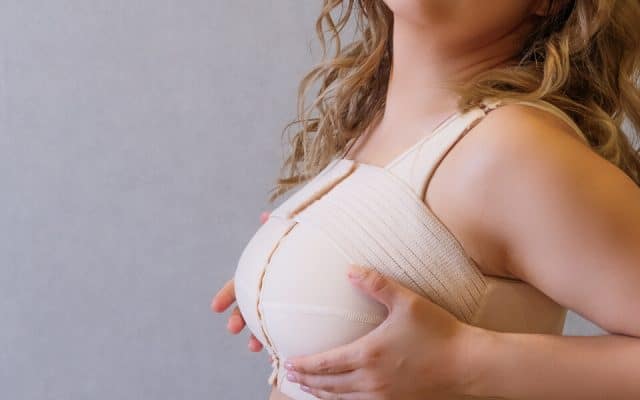
In the first four to six weeks after a mastectomy, most surgical teams recommend a soft, front-closure, wire-free bra, often called a surgical or compression bra. Front closures matter because raising your arms overhead is usually restricted early on, and a bra you can fasten at chest height is far easier to manage than one that hooks behind your back.
Underwires are typically avoided completely during this window. A wire sitting against a fresh incision or swollen tissue creates exactly the kind of localized pressure that healing tissue doesn’t need. Seamless cups and wide, padded straps matter for the same reason: fewer hard edges pressing on sensitive skin means fewer sources of irritation while you’re healing.
If you have surgical drains, look for a bra with interior loops or pockets designed to hold the drain bulbs, so the tubing isn’t pulling at the insertion site every time you move. Your surgical team will tell you how long you’ll need drains and when it’s time to move on from this first-stage bra. Always follow their specific guidance over any general recommendation, since timing varies by procedure and by how you’re healing.
“The first bra after surgery isn’t about style. It’s recovery equipment, chosen the same way you’d choose a good bandage.”
How Tight Should a Post-Mastectomy Bra Be?
A post-mastectomy bra should feel snug and supportive without ever feeling like it’s squeezing or restricting circulation. Gentle, even compression can genuinely help in the early weeks, but “gentle” is the operative word. If a bra leaves deep marks, causes numbness or tingling, or is uncomfortable to breathe in, it’s too tight, regardless of what the size label says.
Swelling changes day to day in the first stretch of recovery, so a band that fit comfortably on day three might feel tight by day six. Adjustable closures and soft extenders are useful here precisely because they let the bra move with your body instead of asking your body to conform to a fixed size. Compression garments and levels are something to work out with your surgeon or a certified fitter rather than guess at, since the right amount depends on your specific procedure.
What Does the Recovery Timeline Look Like?
Most people move through three broad stages after a mastectomy, though the exact pace depends on your procedure, whether you’re having reconstruction, and how your individual healing goes. The table below is a general reference, not a substitute for your surgeon’s specific instructions.
| Stage | Typical Timeframe | Bra Type | Key Features |
| Immediate recovery | First 4–6 weeks | Surgical or compression bra | Front closure, wire-free, seamless, drain access |
| Early healing | 6–12 weeks (varies) | Soft leisure or transition bra | Light padding or pocket, minimal seams, gentle support |
| Long-term wear | 3+ months, once cleared | Pocketed mastectomy bra or regular bra | Prosthesis pockets, wider band, everyday fabrics |
What Features Actually Matter in a Post-Mastectomy Bra?
Not every feature marketed on a post-mastectomy bra earns its place in your recovery. Front closures and wire-free construction matter at every stage, while some other features, like heavy padding or fashion details, only become relevant once healing is well underway. The table below breaks down what to prioritize and when it’s safe to skip a feature.
| Feature | Why It Matters | When to Skip It |
| Front closure | Avoids overhead arm movement during limited mobility | Once shoulder mobility is fully restored, if preferred |
| Underwire | Can press on incisions and swollen tissue | Skip entirely until your surgeon clears wired styles |
| Prosthesis pocket | Holds a breast form securely and evenly | Not needed if you’ve had reconstruction or go flat |
| Wide, padded straps | Distributes weight and reduces shoulder digging | Rarely worth skipping, useful at every stage |
| Seamless cups | Reduces friction against healing or sensitive skin | Less critical once skin sensitivity has settled |
This is closely related to how band tension and cup volume work in any bra, mastectomy or not: a band that sits too tight concentrates pressure in one place, while a well-distributed fit spreads support across a wider area. If you want a refresher on how those fundamentals work outside of a recovery context, the guide to adjusting a bra to fit your body better covers the mechanics in more detail. Fabric choice matters just as much as construction here, and the same principles that guide choosing bra materials for sensitive skin apply directly to healing, irritation-prone tissue.
How Do You Measure for a Post-Mastectomy Bra?
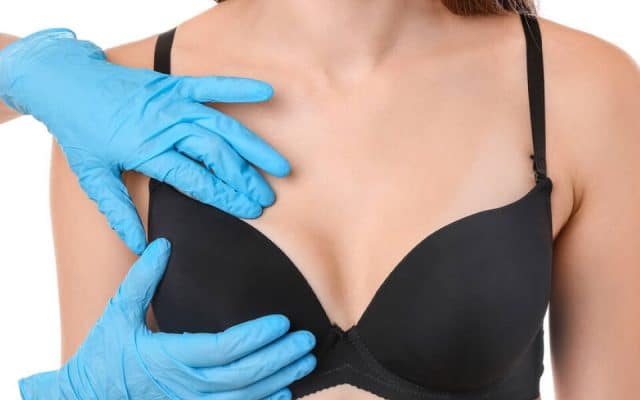
You measure for a post-mastectomy bra the same basic way you’d measure for any bra: band size around the ribcage just under the bust, and cup size around the fullest part of the chest, both taken standing straight but relaxed. What’s different is the timing and the expectations. Swelling, drains, and any reconstruction or prosthesis all change the numbers you get, sometimes significantly, from what you measured before surgery.
It’s worth remeasuring at each stage rather than assuming your first post-surgery size will hold. Many people need a size different from their pre-surgery bra for weeks or months, and that’s a normal part of the process rather than a sign anything is wrong. If you want a quick way to translate a fresh set of measurements into a size, our bra size calculator does the math for you.
A certified mastectomy fitter or a fitting appointment at a specialty shop is worth the trip if one is available to you, especially for your first pocketed bra or prosthesis. They’re trained specifically for the fit challenges that come with post-surgical bodies, the same way a professional fitting appointment helps with any unusual or hard-to-solve fit issue.
A 2023 randomized controlled trial of 201 patients found that 68% reported pain from wearing a bra during the first 14 days after breast surgery, and 46% still reported pain at the three-week mark. Patients using a stable, compression-style bra reported significantly lower pain scores at three weeks than those using a soft bra (Backman et al., 2023, European Journal of Oncology Nursing).
Will Insurance Cover Your Post-Mastectomy Bras?
In many cases, yes. Federal law requires health insurance plans that cover mastectomy surgery to also cover breast reconstruction and breast forms, under the Women’s Health and Cancer Rights Act of 1998. Medicare is a notable exception, since it’s exempt from this particular requirement, though it may cover related costs through other provisions.
Coverage details still vary by plan. Most policies that do cover mastectomy bras allow two to four per year, along with a doctor’s prescription requirement that has to be renewed each time you replace a prosthesis or bra. It’s worth calling your insurance provider directly before you buy, since the specifics of what’s covered and how to submit a claim differ from one plan to the next.
Can You Wear a Regular Bra After a Mastectomy?
Eventually, often yes, once your surgeon confirms your incisions are fully healed and swelling has resolved. Before that point, most regular bras present the same problems a post-mastectomy bra is designed to solve: underwire pressure, back closures that require overhead reach, and seams that rub against sensitive skin. The same healing-first logic shows up in related recovery questions, like when it’s safe to sleep without a bra after breast reduction or going braless after breast augmentation, where the answer depends on your surgeon’s clearance rather than a fixed calendar date.
Even after full healing, your shape may have changed enough that your old bras no longer fit the way they used to, particularly if you’re using a prosthesis that needs to sit evenly against your chest. Some people adapt a favorite regular bra by having a pocket sewn into the lining. Others find it easier to keep wearing pocketed mastectomy-specific styles long-term simply because the fit is more predictable. Neither choice is more correct than the other. It comes down to what feels most comfortable and secure on your body.
“A prosthesis pocket isn’t a consolation feature. It’s the difference between a bra that just covers you and one that actually balances you.”
How Do You Care for a Post-Mastectomy Bra?
Post-mastectomy bras, especially seamless and pocketed styles, generally hold up best with gentle, hand-wash care rather than a washing machine cycle. Mild soap and a lay-flat dry protect both the fabric and any padding or pocket construction from breaking down early. This is largely the same logic that applies to caring for any delicate bra, since heat and agitation are what shorten a bra’s lifespan fastest, whether it’s post-surgical or not.
Because you’ll likely be rotating through two or three bras during peak recovery, having enough clean options on hand matters more than usual. Most people find that three to four bras in current rotation keeps up with laundry needs without requiring you to wear a damp one before it’s fully dry.
Giving Yourself Room to Change Your Mind
There’s no single right way to dress a body that’s healing. What fits and feels right in week two may feel wrong by week eight, and that’s not a failure of planning, it’s just how recovery works. The most useful thing you can do is stay flexible: measure again when something feels off, ask your surgical team when timing questions come up, and treat the first few bras you buy as tools for right now rather than a permanent decision.
Whatever stage you’re in, the goal is the same one that guides any good bra fit: comfort and support that let you stop thinking about your bra and get back to thinking about everything else.
Frequently Asked Questions
How tight should a post-mastectomy bra be?
It should feel snug and supportive, never restrictive. Gentle, even compression can help in the early weeks, but a bra that leaves deep marks, causes numbness, or makes breathing uncomfortable is too tight no matter what the label says. Ask your surgeon or a certified fitter if you’re unsure about the right compression level for your procedure.
How long do you wear a surgical bra after a mastectomy?
Most surgical teams recommend a front-closure surgical or compression bra for around four to six weeks after surgery, though the exact timeline depends on your procedure and healing progress. Your surgeon will tell you when it’s time to transition to a lighter or pocketed style, and that guidance should always take priority over general timelines.
Does insurance cover post-mastectomy bras?
In most cases, yes. Federal law requires insurance plans that cover mastectomy to also cover breast forms and mastectomy bras, though Medicare is exempt from this specific requirement. Most policies that do cover bras allow two to four per year with a doctor’s prescription, so it’s worth confirming the details directly with your provider.
Can you wear a regular bra after a mastectomy?
Once your surgeon confirms you’re fully healed, many people can return to regular bras. Underwire, back closures, and seams can still be uncomfortable in the meantime, and your shape may have changed enough that your old bras no longer fit the way they used to, especially if you’re using a prosthesis.
How do you measure for a post-mastectomy bra?
Measure your band around the ribcage just under the bust and your cup around the fullest part of your chest, standing straight but relaxed, the same as any bra measurement. Because swelling and healing change your shape, it’s worth remeasuring at each recovery stage rather than relying on a single early measurement.